




📰 ANNOUNCEMENT: Plan your trip, managed by our official partner, Vijigishu Education Private Limited. Click to Register Now ✈️
        
📰 NEWS: Springer’s SN Computer Science Journal has approved the BrainCon Topical Issue “Frugal, Sovereign & Human-Centered AI.” Click to know more! 🚀

BRAINCON 2026

Flagship International Conference of Bharat Research in AI and NextGen (BRAIN)

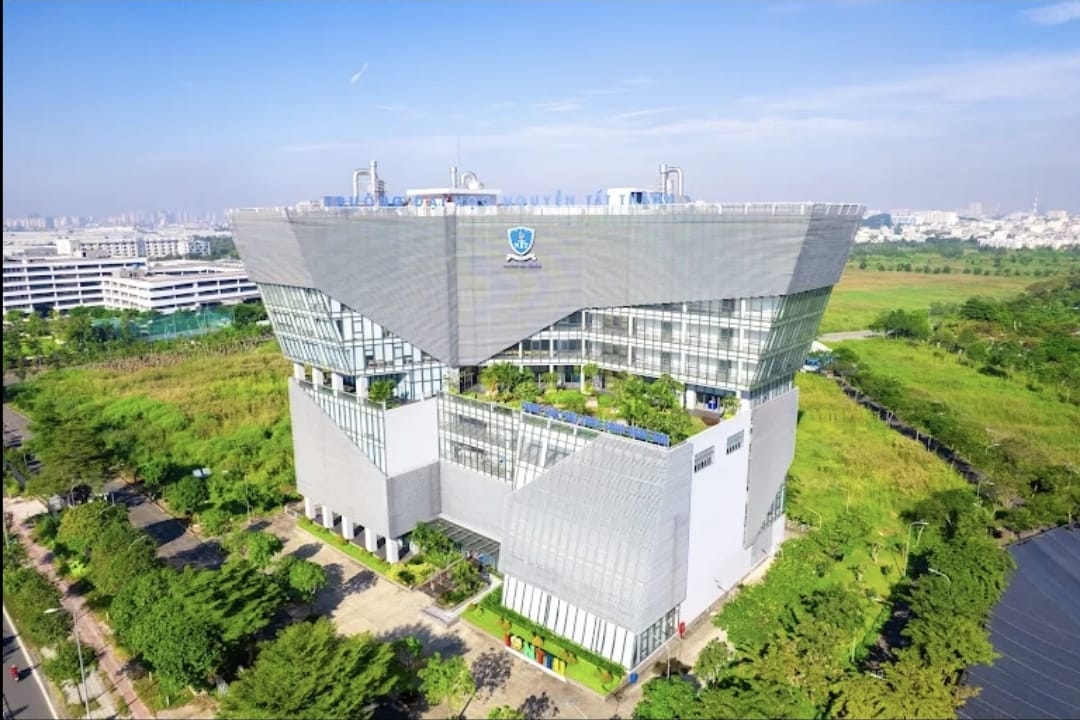
Venue: Management Development Institute of Singapore (MDIS), 501 Stirling Rd, Singapore 148951

Theme: Frugal, Sovereign, Societal Scale AI and Agentic AI

20-22 March 2026 | In Collaboration with G H Raisoni College of Engineering & Management, Pune, India

Key Deadlines

Conference starts in:

0 Days
0 Hours
0 Minutes
0 Seconds
  • Call for Paper Begins: 15/09/2025
  • Last Date for Paper Submission: 30/11/2025
  • 1st Extension: Till 15/12/2025
  • 2nd Extension: Till 31/12/2025
  • Author Notification: 20/01/2026
  • Early Bird Registration: 20/01/2026 - 26/01/2026
  • Camera Ready Copy and Copyright Submission: 26/01/2026
  • Conference Dates: 20-22 March 2026

About BRAINCON 2026

BRAINCON 2026, the flagship international conference of Bharat Research in AI and NextGen (BRAIN), will be held from 20–22 March 2026 at Singapore, in collaboration with G H Raisoni College of Engineering & Management, Pune (NAAC A+ Accredited, Empowered Autonomous Institute).

Themed “Frugal, Sovereign, Societal Scale AI and Agentic AI”, BRAINCON 2026 aims to spotlight the dual imperatives of the next AI revolution—building autonomous, intelligent, and collaborative agentic systems while ensuring resource-efficient, accessible, and sustainable AI innovation. This unique blend recognizes that the future of AI lies not only in autonomy and reasoning, but also in frugality, inclusivity, and democratization of technology.

BRAINCON has established itself as a premier global platform bringing together academia, industry, government, and professional bodies to exchange ideas, showcase cutting-edge research, and shape the responsible evolution of AI. The 2026 edition promises keynote sessions, technical paper presentations, workshops, demonstrations, and hackathons, fostering meaningful discussions and collaborations that will define the AI of tomorrow.

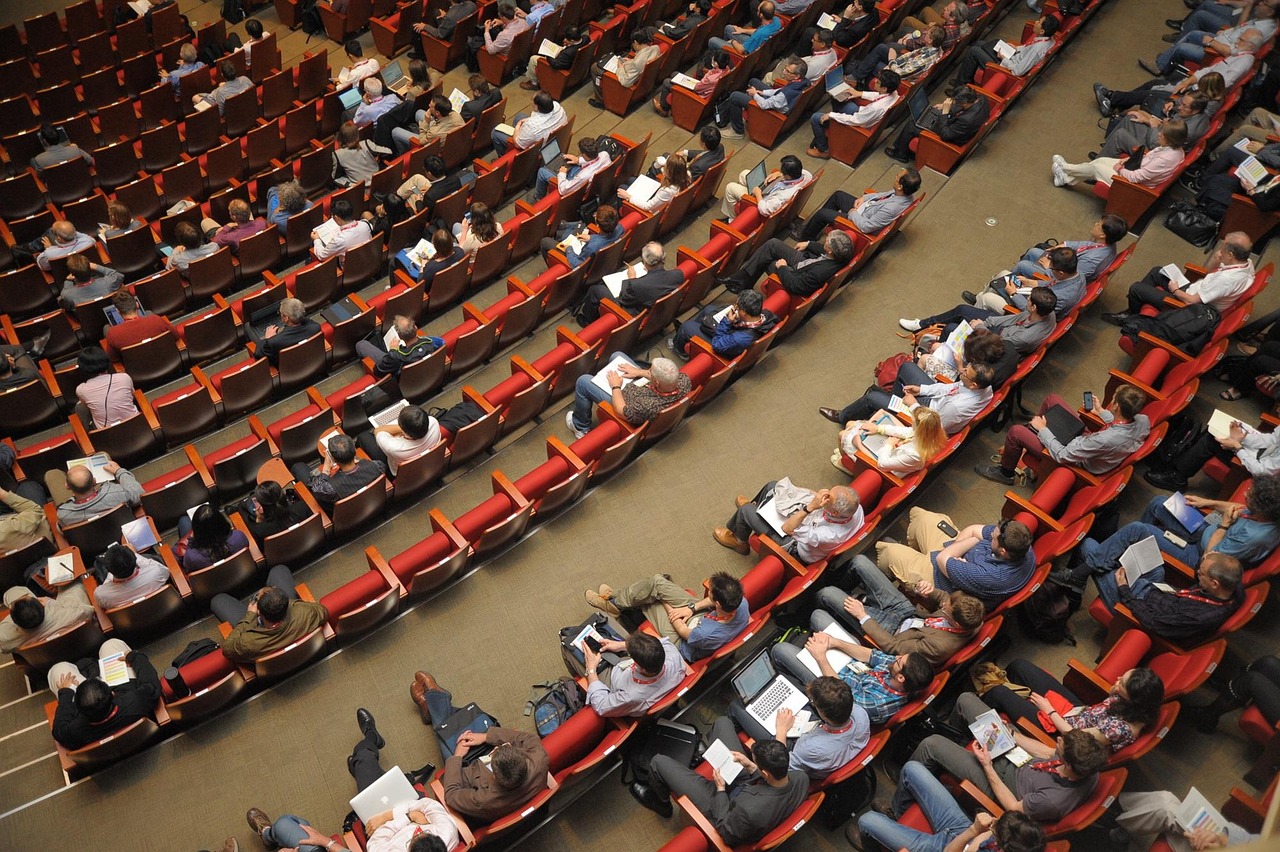
AI Conference Concept

About the Organisers & Collaborators

About BRAIN

Bharat Research in AI and NextGen (BRAIN) is a pioneering foundation dedicated to advancing Artificial General Intelligence (AGI) with a strong commitment to ethics, safety, and cultural alignment. Guided by the vision of creating equal opportunities for all, BRAIN strives to ensure that AI-driven solutions are inclusive, accessible, and impactful across communities. With a focus on research excellence, responsible innovation, societal transformation, and ecosystem building, BRAIN bridges cutting-edge AI research with real-world applications in healthcare, education, agriculture, sustainability, and governance. Positioned as a global hub for responsible AI, BRAIN brings together academia, industry, government, and civil society to shape an AI-powered future that is innovative, equitable, and sustainable.

About G H Raisoni College of Engineering and Management

G H Raisoni College of Engineering and Management (GHRCEM), Pune imparting quality education of global standards. GHRCEM has a beautiful campus located on Pune- Ahmednagar Road, 16 Kms. from Pune Railway Station and 12 Kms. away from Pune airport. The college is an Autonomous Institute affiliated to Savitribai Phule Pune University (SPPU) and approved by AICTE. It is running seven UG and three PG courses in Computer, E&TC, and Mechanical Engineering. The college is accredited by NAAC and also having SPPU approved as well as Autonomous Ph.D. programs in E&TC and Mechanical Engineering Department. The primary objective of the Institute is to groom the students to become a future leader in Engineering & Management capable of facing the challenges of the industry and the advanced technology. The institute offers innovative teaching-learning methodology, state of art laboratories, resources and corporate development plans for students, so that they become competent Engineering & Management professionals ready to deliver their services to industry & society in general. GHRCEM, Pune published approx. 27 patents, 58 copyrights and many high quality papers.

G H Raisoni College

About Management Development Institute of Singapore (MDIS)

Founded in 1956, the Management Development Institute of Singapore (MDIS) is one of Singapore’s oldest not-for-profit professional institutes for lifelong learning. MDIS has two main subsidiaries: Management Development Institute of Singapore Pte Ltd which oversees its Singapore academic operations, and MDIS International Pte Ltd which focuses on MDIS’ globalisation strategy.

MDIS offers internationally-accredited courses in Accounting, Banking and Finance, Business, Management and Marketing, Education and Social Sciences, Engineering, Fashion and Design, Healthcare and Nursing, Information Technology, Life Sciences, Media and Communications, Safety and Environmental Management, and Tourism and Hospitality. These programmes are offered in collaboration with renowned universities in the United Kingdom and the United States of America. MDIS also has set a proven track record of preparing students to excel in the Singapore-Cambridge General Certificate of Education (Ordinary and Advanced Level), Cambridge International General Certificate of Secondary Education (IGCSE) and Cambridge International Lower Secondary, through its comprehensive preparatory courses Awards and Certifications.

MDIS is EduTrust certified, attesting to its exemplary education and business excellence standards. The institute was first awarded the certification in 2010 – subsequently renewed it for four years in 2014, 2018 and 2023. MDIS was also one of the first Private Education Institutions (PEIs) to be registered under the Enhanced Registration Framework.

Conference Tracks

BRAINCON 2026 welcomes submissions in the following areas (but not limited to). We also encourage submissions to our Special Sessions.

  • Data-Efficient Learning (Few-shot, Zero-shot, Self-supervised Learning)
  • Model Optimization (Compression, Pruning, Quantization, Knowledge Distillation)
  • Efficient Model Architectures and Algorithms
  • Synthetic Data Generation and Augmentation
  • AI for Low-Resource Scenarios
  • National and Regional AI Strategies
  • Data Governance, Localization, and Privacy-Preserving Machine Learning (PPML)
  • The Role of Open Source in Strategic Autonomy
  • Ethical Frameworks for National AI Deployment
  • Cybersecurity for Critical AI Infrastructure
  • AI in Healthcare: Low-cost diagnostics, public health AI.
  • AI in Agriculture: Precision farming, supply chain optimization.
  • AI for Climate & Environment: Disaster management, sustainable energy.
  • AI for Public Services: Education, social safety nets, urban planning.
  • NLP for Low-Resource Languages: Preserving digital and cultural heritage.
  • Explainability (XAI), Interpretability, and Algorithmic Fairness
  • Methods for Bias Auditing and Mitigation in Diverse Cultural Contexts
  • Participatory AI and Co-design with Local Communities
  • Future of Work and AI-driven Workforce Transitions
  • Long-term Social and Equity Impacts of AI
  • AI at the Edge (Mobile, IoT, Embedded Systems)
  • Hardware for Frugal AI (Low-power accelerators, FPGAs, Neuromorphic Computing)
  • Communication-Efficient and Federated Learning
  • MLOps for Societal Scale Deployment and Maintenance
  • Decentralized Data Architectures
  • Network and Cloud Security
  • AI-Powered Cybersecurity and Data Privacy
  • AI and Blockchain for Secure Transactions
  • AI and Quantum

    This Special Session focuses on application-oriented research using Quantum-Enhanced Reinforcement and Agentic Learning, Variational Quantum Eigensolver (VQE), Quantum Approximate Optimization Algorithm (QAOA), and Frugal Quantum Machine Learning (QML) to address societal-scale, real-world challenges. The session aims to accelerate innovation at the intersection of quantum technologies, agentic AI, and frugal computational frameworks suitable for scalable deployment.

    Key Application Themes of Special Session 1

    1. Energy and Infrastructure Systems
    • Quantum-enhanced optimization for smart grids, forecasting, and energy dispatch
    • QAOA/VQE for optimal resource allocation and real-time load balancing
    • Frugal hybrid AI for sustainable energy analytics and failure prediction

    2. Healthcare and Life Sciences
    • Quantum feature selection and model optimization for drug discovery
    • Quantum-reinforced adaptive treatment and diagnostics
    • Quantum-classical fusion for multi-omics, genomics, and medical imaging

    3. Smart Mobility and Intelligent Transportation
    • Quantum optimization for routing, fleet coordination, and autonomous mobility
    • Agentic learning for self-optimizing transport networks
    • Hybrid QRL for sustainable urban mobility and multimodal planning

    4. Quantum Communication and Secure AI Infrastructures
    • QKD and entanglement-assisted secure AI workflows
    • Sovereign agentic AI with quantum communication backbones
    • Quantum-enhanced threat modelling and policy frameworks

    5. Manufacturing, Finance, and Industry 4.0
    • Quantum reinforcement learning for adaptive process control
    • QAOA/annealing for resource optimization and industrial scheduling
    • Frugal hybrid QML for quality assurance and cost-efficient automation

    6. Climate, Sustainability, and Societal Systems
    • Quantum-assisted modelling of environmental systems
    • Agentic learning for sustainable agriculture, cities, and water systems
    • Quantum optimization for policy design and global resource distribution

    This Special Session emphasizes quantum-enabled and quantum-inspired machine learning (QML) as a powerful pathway toward building frugal, sovereign, scalable, and agentic AI systems. With NISQ-era advancements, hybrid quantum-classical workflows open new possibilities in optimization, learning efficiency, and autonomous decision making.

    Key Application Themes of Special Session 2

    1. Quantum-Inspired Optimization for AI Systems
    • VQE, QAOA, and quantum-inspired tuners for ML models
    • Energy-efficient hybrid quantum–classical learning frameworks
    • Quantum annealing for large-scale combinatorial optimization in AI

    2. Quantum-Enabled Applications for Societal-Scale and Sustainable Systems
    Including but not limited to:
    • Energy Systems: smart grids, carbon-neutral optimization, predictive maintenance
    • Smart Mobility: traffic routing, fleet control, autonomous networks
    • Healthcare/Bioinformatics: molecular modelling, disease prediction, QML feature extraction
    • Climate & Environment: carbon reduction modelling, sustainability analytics
    • Cybersecurity: quantum-secure federated learning, privacy-preservation
    • Manufacturing/Industry 4.0: predictive process control using Quantum RL
    • Finance/Policy: fraud analytics, decentralized portfolio optimization
    • Cognitive & Social Systems: agentic reasoning for governance and education

    3. Frugal Quantum Machine Learning
    • Lightweight quantum classifiers and regression models
    • Resource-efficient PQC architectures for NISQ devices
    • Quantum model compression and cost-aware training

    4. Quantum-Enhanced Reinforcement and Agentic Learning
    • QRL for intelligent autonomous systems
    • Agentic AI with quantum-enabled decision loops
    • Multi-agent quantum-coordinated learning and optimization

    Session Summary In the era of Artificial Intelligence, everyone is developing solutions to make tasks easier. Large Language Models (LLMs) have become a major revolution, offering support and intelligence to people across domains. However, most of these models are heavy, resource-intensive, and costly to deploy. It is essential to develop AI solutions that minimize the use of computational resources and become affordable, economical, and energy-efficient for everyone. With this vision, the theme of this special track focuses on Sustainable Green AI: Energy Aware Models for Societal Scale Deployment. High-quality research contributions that address the design, development, and deployment of resource-efficient, cost-effective, and environmentally sustainable AI systems are welcomed. Research papers may focus on theoretical advances, algorithms, hardware-software co-design, practical applications, or case studies that demonstrate the value of green AI in real-world settings, especially in low-resource, low-power, or cost-constrained environments.

    Key Application Themes

    Foundations of Sustainable and Green AI
    • Carbon Accounting and Lifecycle Assessment of AI Systems
    • Green AI Metrics and Benchmarks
    • TinyML for Environmental Monitoring
    • Mathematical Models for Energy-Efficient Learning

    Energy-Efficient Learning Algorithms and Model Design
    • Model Compression, Pruning, and Quantization Techniques
    • Lightweight Foundation and Small Language Models (SLMs)
    • Sparse, Adaptive, and Early-Exit Architectures

    Responsible Green AI
    • Responsible Compute Use and AI Accountability
    • Green AI and Digital Sovereignty
    • Green AI Policies and Regulatory Frameworks

    Green AI for Societal-Scale Applications
    • Agriculture, Climate, and Environmental Monitoring
    • AI for Healthcare, Education, and Public Services
    • Smart Cities and Sustainable Urban Systems

    Emerging Paradigms in Green AI
    • Green Multimodal and Agentic AI Systems
    • AI-Driven Optimization of Systems
    • Neuromorphic Computing for sustainability

    Edge AI for Societal Applications: Healthcare, Agriculture, and Smart Village

    The session track “Emerging Artificial Intelligence Technologies for Human-Centric, Secure, and Sustainable Systems” focuses on recent advances in AI that are designed to enhance human well-being while ensuring security, trust, and long-term sustainability. It invites research and practice-oriented contributions on topics such as agentic and autonomous AI, cybersecurity, intelligent healthcare systems, sustainable and green AI solutions, and AI for social impact. The session emphasizes responsible, ethical, and explainable AI approaches that address real-world challenges across domains, promoting resilient digital ecosystems that are secure, inclusive, and aligned with societal and environmental goals. This special session aims to bring together researchers, practitioners, and innovators to showcase emerging artificial intelligence technologies that are human-centric, secure, and sustainable. The track invites cutting-edge research, real-world case studies, and practical deployments in areas such as agentic AI, cyber security, healthcare intelligence, sustainability, and AI for social good. The session aligns with the BRAINCON 2026 theme by emphasizing responsible AI, societal impact, ethical deployment, and technology solutions that address realworld challenges at scale.

    Scope and Topics of Interest (but not limited to):

    • Agentic AI and Autonomous Intelligent Systems
    • AI Applications in Legal Technology
    • AI in Healthcare and Human Well-Being
    • AI for Sustainability and Social Good
    • AI Risk Management, Safety, and Compliance
    • AI-Driven Methods for Space Science and Exploration

View Submission Guidelines